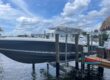

If you’ve ever wondered what a boat lift is or questioned why so many waterfront homeowners consider one essential, the answer lies in understanding how a lift protects your watercraft, reduces maintenance, and improves overall usability. Today’s boat owners and prospective buyers have access to a wide range of advanced systems designed to fit different vessels, dock styles, and shore conditions. By learning the fundamentals of boat lifts and exploring the benefits of boat lifts, you can make a well informed decision that supports the long term value of your boat and your waterfront property with guidance from Coast Seawall.
Boat lifts offer much more than convenience. They are part of a complete waterfront protection strategy that often works alongside rock revetment seawall systems, professional boat lift service, and durable marine dock construction. Together, these elements ensure your dock and boat remain safe, stable, and ready for use throughout the year, especially when supported by the expertise of Coast Seawall.
What Is a Boat Lift?
A boat lift is a mechanical system designed to raise your vessel out of the water when not in use. The primary purpose is to protect the hull from continuous exposure to moisture, algae, barnacles, and corrosion. By lifting your boat above the waterline, a boat lift reduces wear and tear, extends the vessel’s lifespan, and improves overall performance.
Boat lifts are available in multiple designs, each suited to specific watercraft, dock setups, and shoreline conditions. From simple manual systems to advanced hydraulic and floating lifts, every lift offers unique functionality and features that can help boat owners protect their investment.
Understanding what a boat lift is allows you to see how essential it can be especially for long term boat preservation and ease of access.
Benefits of Boat Lifts
There are several important benefits of boat lifts that make them highly valuable for boat owners of all experience levels.
Protection Benefits
A boat that sits in the water 24/7 faces constant risk. Hull damage, osmosis, marine growth, fading, corrosion, and waterlogging are all common issues. With a lift, these problems are greatly reduced.
Protection benefits include:
- Reduced hull maintenance
- Prevention of algae and barnacle buildup
- Protection from floating debris
- Less risk of sinking during storms
- Improved performance due to a clean hull
For waterfronts with rough wave action, pairing a lift with a stable dock and rock revetment seawall reinforcement provides even better protection.
Maintenance Reduction
Boats stored in the water require frequent scraping, sanding, and repainting. Lifts significantly reduce this workload.
Key maintenance reduction advantages:
- Less frequent bottom painting
- Extended lifespan of boat coatings
- Fewer repairs caused by water exposure
This results in long term savings for the owner.
Ease of Access
One of the practical benefits of boat lifts is the convenience they provide. Launching becomes as simple as lowering the lift, and docking is easier without fighting currents or wind.
Owners appreciate:
- Fast launching
- Stable boarding
- Easy fuelling and maintenance at dock level
- Safe loading for passengers
A well designed lift paired with quality marine dock construction improves the total waterfront experience.
Long Term Investment Value
Boat lifts protect high cost assets. Because boats require significant financial investment, maximizing lifespan is essential.
Investment related benefits include:
- Increased resale value of both boat and property
- Reduced long term repair costs
- More predictable maintenance schedules
For homeowners aiming to enhance shoreline value, lifts are a smart addition.
Types of Boat Lifts
Understanding the types of boat lifts helps you select the right system for your vessel.
Vertical Boat Lifts
Ideal for fluctuating water levels.
Benefits include:
- Strong lifting power
- Excellent for lakes and riverfronts
- Suitable for heavier boats
Cantilever Lifts
A traditional style using leverage for lifting.
Advantages:
- Simple mechanical design
- Fewer moving parts
- Cost effective
Best for smaller boats and calm waters.
Hydraulic Lifts
Premium systems with powerful lifting capability.
Highlights:
- Smooth, quick operation
- Heavy load capacity
- Long service life
This option is popular among boat owners who want effortless lifting.
Floating Lifts
Perfect for floating docks or deep water.
Benefits:
- Easy to install
- Flexible during water level changes
- Great for PWCs and lightweight boats
PWC Lifts
Designed specifically for jet skis and small recreational vessels.
Features include:
- Compact design
- Manual or powered options
- Simple operation
Boat Lift Functionality Explained
Boat lifts work by raising the vessel off the water using mechanical, hydraulic, or pneumatic systems. Depending on the model, the system may use:
- Electric motors
- Hydraulic cylinders
- Winches and cables
- Air chambers
- Mechanical leverage systems
Functionality varies based on lift type, but the goal remains the same: safely elevating the boat.
The lift supports the hull with bunks or cradles that match the shape of the vessel. Proper alignment is essential to prevent structural damage.
For reliable operation, periodic inspection and professional boat lift service keep the lift functioning smoothly throughout the year.
Suitability for Different Boats
Boat lifts are engineered for specific boat shapes, sizes, and weights.
Small Watercraft
Jet skis, kayaks, and dinghies benefit from compact lifts that prevent hull scuffing and water damage.
Fishing Boats
Light to medium sized fishing boats work well with cantilever or vertical lifts. These lifts provide quick access for early departures and frequent outings.
Pontoon Boats
Pontoon specific lifts are designed with dual bunks or cradle systems. Their stability is ideal for wide, flat bottomed vessels.
Luxury and Heavy Vessels
Heavy duty hydraulic lifts or aluminum vertical lifts provide the strength needed for large boats.
When selecting a lift, weight capacity is critical. The lift must be rated for:
- Full fuel load
- Gear and equipment
- Passengers during loading
- Waterlogged hull weight if applicable
Consulting marine professionals ensures the lift matches your vessel accurately.
Installation Requirements
Before installing a boat lift, several factors must be evaluated.
Water Depth
Certain lifts require minimum water depth for safe operation. Deep water may require floating lifts, while shallow water may not support larger hydraulic systems.
Bottom Conditions
Sand, rock, mud, and silt all affect installation.
Examples:
- Mud requires wider footing
- Rock requires different anchoring
- Sand may need stabilization
Dock Style and Marine Dock Construction
Your dock’s structure plays a major role in lift compatibility. Professional ensures the dock can support marine dock construction the lift’s side loads and equipment weight.
Shoreline Stability and Rock Revetment Seawall Support
If shoreline erosion threatens your dock, a rock revetment seawall or reinforced seawall is essential before installing a lift. This protects the investment and prevents structural failure.
Cost Considerations
When exploring cost considerations, evaluate both short term expenses and long term savings.
Equipment Costs
Lift prices vary based on:
- Type
- Weight capacity
- Power system
- Material (aluminum, steel, composite)
Installation Costs
These depend on:
- Water depth
- Dock condition
- Shoreline setup
- Required seawall or dock reinforcement
Long Term Value
Boat lifts provide excellent investment value due to:
- Reduced maintenance costs
- Extended boat lifespan
- Lower risk of storm or impact damage
- Increased property value
Although upfront costs may seem high, lifetime savings often outweigh initial investment.
Working With Marine Contractors and Seawall Construction Companies
For best results, always work with professional’s familiar with local waterways, tidal patterns, and shoreline conditions.
Why Professional Boat Lift Service Matters
Experts provide:
- Correct sizing
- Safe installation
- Routine maintenance
- Emergency repairs
Improper installations are a leading cause of lift failure.
Evaluating Your Dock and Shoreline
Before installation, professionals assess:
- Dock load capacity
- Water depth
- Structural integrity
- Seawall condition
If repairs are needed, experienced seawall construction companies like Coast Seawall ensure your shoreline is secure.
Customizing a Lift to Your Vessel
Every boat is different, and bunks must match the hull shape to avoid damage. Customization ensures safe lifting and long term performance.
Final Thoughts
Now that you understand what a boat lift is and the key benefits of boat lifts, it’s clear why so many boat owners rely on these systems for protection, convenience, and long term value. From understanding the types of boat lifts to evaluating installation requirements and cost considerations, every detail contributes to making a smart investment in your boat’s future. Whether you need professional boat lift service, shoreline stabilization like a rock revetment seawall, or support from experienced seawall construction companies, Coast Seawall provides reliable expertise and high quality marine solutions tailored to your waterfront. If you’re ready to protect your boat, upgrade your dock, or explore your lift options, Coast Seawall is here to help with trusted marine dock construction and waterfront services contact us today.