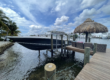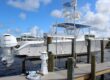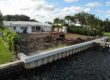

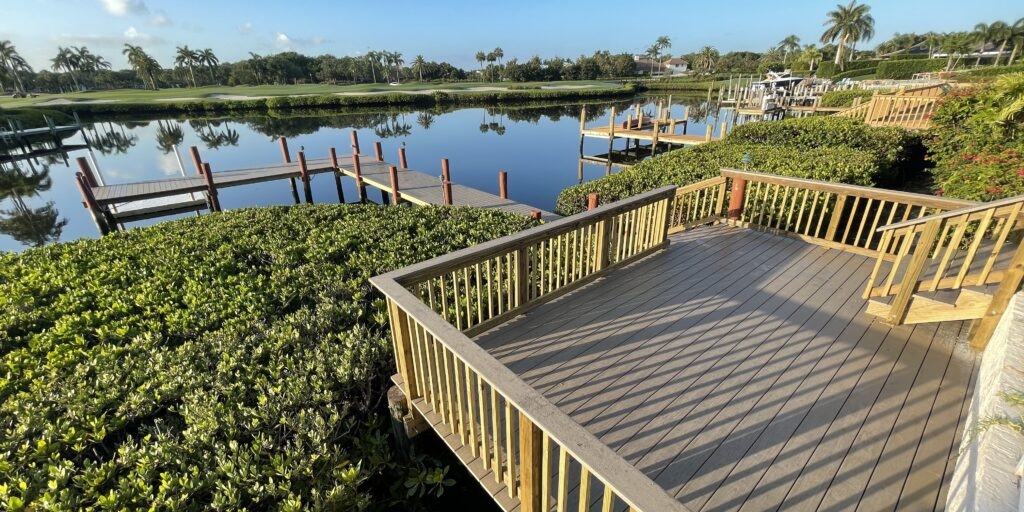
Seawall projects can be complex, and understanding seawall repair pricing factors is critical for property owners and coastal managers. From material choices like concrete or vinyl to labor charges, permitting fees, and maintenance, these factors directly influence the total investment. Whether building a new seawall or repairing an existing one, knowing what drives the cost helps avoid surprises and ensures long term shoreline protection in the broader context of coastal marine construction.
Why Understanding Seawall Costs Matters
Seawalls are critical structures designed to protect coastal properties from erosion, storm surges, and rising sea levels. Whether you are constructing a new seawall or repairing an existing one, understanding the seawall repair pricing factors ensures you budget effectively and avoid costly surprises.
Budgeting for New Construction vs. Repairs
A new seawall requires significant planning, engineering, and permitting, while repairs may range from minor patchwork to major structural reinforcements. Budgeting for both involves evaluating factors such as materials, labor, and site specific conditions. Homeowners and property managers often underestimate the difference between the cost of small scale repairs and full scale construction, making it essential to plan for both short and long term scenarios.
Avoiding Unexpected Financial Pitfalls
Unexpected expenses often arise from overlooked issues such as hidden soil instability, complex permitting requirements, or delays due to weather. By identifying potential cost drivers early, property owners can make informed decisions and reduce financial risk.
Material Costs: The Foundation of Pricing
The choice of materials is one of the largest contributors to overall seawall construction and repair costs.
Concrete, Steel, Vinyl, and Composite Options
- Concrete: Known for its durability and strength, but often requires reinforcement and periodic inspection.
- Steel: Extremely strong and reliable for heavy duty seawalls, though it may require coatings to prevent corrosion.
- Vinyl: Lightweight, easier to install, and resistant to rot and marine organisms.
- Composite Materials: Blends of fiberglass, plastic, or other synthetics that offer long lasting, low maintenance performance.
- These material options are carefully evaluated by seawall construction companies to match project needs, site conditions, and long term durability.
Cost Differences by Durability and Longevity
While upfront material costs vary, the true investment lies in how long the seawall will perform before major repairs are required. For instance, steel and concrete may demand higher initial outlays but provide decades of stability. On the other hand, vinyl may be more affordable but less resilient in areas with strong wave action.
Labor Charges and Skilled Expertise
Labor often represents a significant percentage of a seawall project’s cost.
Specialized Marine Construction Crews
Marine construction requires expertise beyond standard contracting. Crews must be trained to handle underwater environments, tidal changes, and heavy duty equipment while ensuring structural integrity in challenging conditions.
Regional Variations in Labor Rates
Labor charges vary significantly by location. Areas with high demand for marine construction or a limited workforce may see higher labor rates. Coastal regions prone to hurricanes or erosion may also require more specialized workers, which adds to the expense.
Site Conditions and Accessibility
The location and accessibility of the site dramatically affect seawall construction pricing.
Urban Waterfront vs. Remote Shoreline
- Urban Waterfronts: Easier access to equipment and materials, though costs can rise due to local regulations or restricted work zones.
- Remote Shorelines: Transporting heavy equipment and labor crews to less accessible areas adds significant logistical challenges.
Challenges with Soil Type and Water Depth
Soft soils may require deeper foundations, while rocky or uneven seabeds complicate installation. Water depth and tidal fluctuations also influence construction timelines and equipment needs.
Design Complexity and Engineering Requirements
Not all seawalls are alike designs can range from simple bulkheads to complex, custom engineered systems.
Custom Architectural Designs
Properties that require aesthetic appeal alongside functionality may opt for custom architectural features, which increase engineering and construction costs.
Integrating Hybrid/Nature Based Features
Modern coastal protection often integrates nature based solutions, such as living shorelines combined with traditional seawalls. While more sustainable, these hybrid approaches require specialized planning and construction expertise. These considerations are also common in projects involving custom dock construction, where both function and environmental impact must be carefully balanced.
Permitting and Regulatory Fees
Navigating the permitting process is another key seawall repair pricing factor.
Local, State, and Federal Requirements
Seawall construction typically requires approvals at multiple levels of government. Regulations often focus on environmental impact, shoreline stability, and navigational safety.
Time Delays and Associated Costs
Delays in permit approvals can stall projects, increasing labor, storage, and logistical expenses. Early engagement with regulatory bodies helps streamline the process and control costs.
Equipment and Technology Needs
Heavy duty machinery is essential for seawall projects.
Barges, Cranes, and Marine Grade Machinery
Depending on the site, barges may be needed to transport materials and equipment. Cranes and pile drivers are often required to position seawall panels securely.
Specialized Monitoring or Robotics Costs
In advanced projects, robotics or monitoring technology may be employed for underwater inspections, soil analysis, or smart construction, adding to the overall expense.
Project Timelines and Seasonal Factors
Time is money in marine construction, and seawall projects are no exception.
Weather Related Delays
Rain, storms, and tidal surges can halt progress. In hurricane prone regions, work may need to be paused or rescheduled, increasing overall project costs.
Fast Track vs. Standard Construction Timelines
Accelerated construction schedules require more labor and equipment, while standard timelines may be more cost efficient but prolong project completion.
Maintenance and Long Term Cost Considerations
A seawall’s long term value depends heavily on ongoing maintenance.
Predictive Maintenance with Smart Sensors
Modern technology enables predictive maintenance through sensors that monitor structural stress, water levels, and erosion. Early detection prevents small issues from becoming costly repairs.
Repair vs. Replacement Over 20+ Years
While repairs may seem economical in the short term, repeated patchwork can exceed the cost of replacement over decades. A long term cost analysis helps determine when replacement becomes the smarter financial decision.
Insurance and Liability Considerations
Insurance plays a subtle yet important role in seawall budgeting.
Coastal Property Risk Assessments
Insurance providers assess risks based on location, exposure to storms, and the presence of coastal defenses like seawalls.
How Insurance Can Impact Seawall Budgeting
Properties with well maintained seawalls may qualify for reduced insurance premiums, while inadequate or failing seawalls may increase liability costs.
Regional Pricing Trends in Seawall Projects
Seawall pricing is not uniform and depends on geographic location.
Coastal U.S. Variations (Florida vs. Pacific Northwest)
- Florida: High demand due to hurricanes and erosion challenges often increases labor and permitting costs.
- Pacific Northwest: Rocky coastlines and deep water construction require specialized techniques, adding to expenses.
Global Insights from International Markets
In regions such as Southeast Asia or Europe, varying labor costs, material availability, and environmental regulations create different pricing dynamics.
Conclusion
Seawall construction and repair involve far more than just materials and labor. Seawall repair pricing factors include design complexity, site conditions, permitting, and long term maintenance. By understanding these elements, property owners and developers can budget effectively, minimize risks, and ensure that their seawall provides reliable coastal protection for decades to come.
Schedule a consultation with Coast Seawall.
FAQs
Q1: What is the most expensive part of seawall construction?
Labor and materials are typically the largest contributors, especially when specialized crews and heavy equipment are needed.
Q2: How long does a seawall typically last?
Depending on materials and maintenance, a seawall can last anywhere from 20 to 50+ years.
Q3: Can weather significantly impact construction costs?
Yes. Weather delays not only extend timelines but also increase labor and equipment rental costs.
Q4: Are permits always required for seawall repairs?
In most cases, yes. Even minor repairs often require at least local permits to ensure compliance with environmental and safety regulations.
Q5: How can property owners reduce long term seawall costs?
Investing in durable materials, performing regular maintenance, and incorporating smart monitoring technologies can extend lifespan and lower repair expenses.